

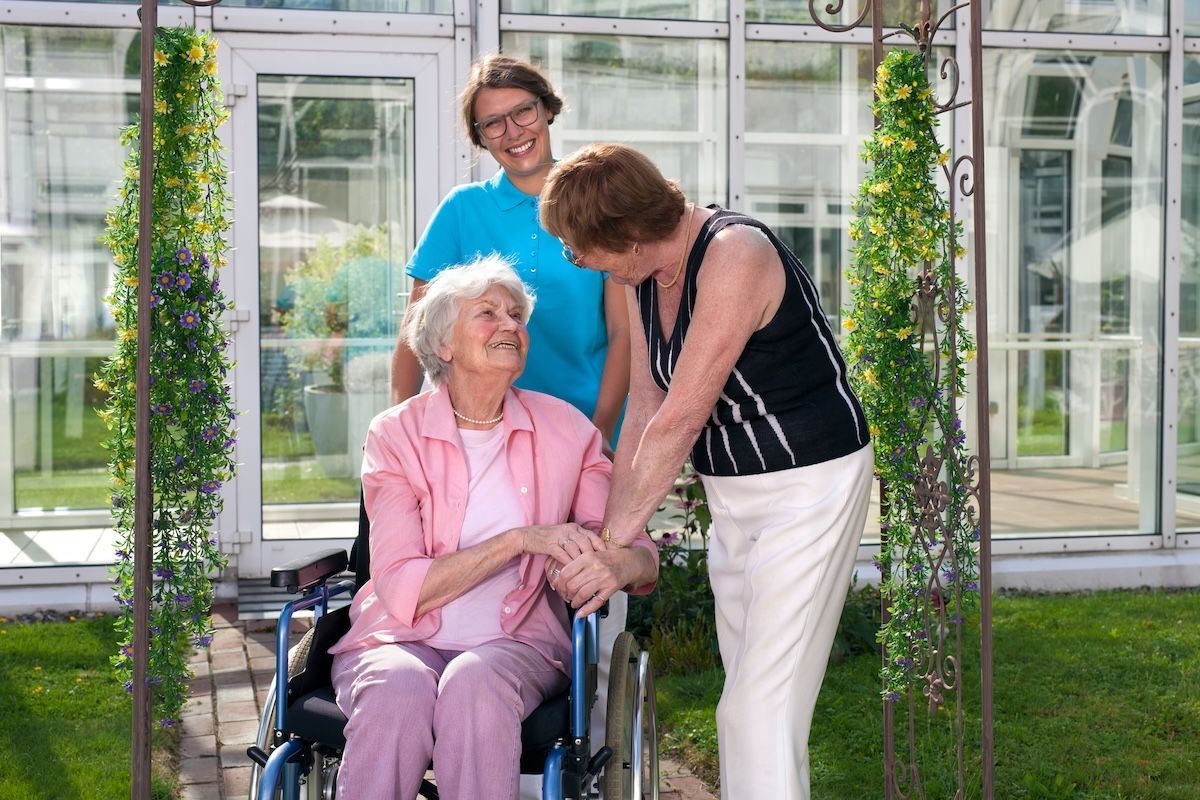
Choosing a nursing home for yourself or a loved one is an important decision. Families want to know that the person they care about will receive compassionate attention, quality medical care, and a safe, comfortable place to live. Taking time to tour facilities, ask questions, and research your options can make the process much easier. Whether you are looking for short-term rehabilitation, skilled nursing, or long-term care, it is important to look beyond a facility's appearance and consider the quality of care, staffing, safety, activities, and overall environment. Pay Attention to Red Flags During a Tour A nursing home tour can tell you a great deal about the environment. Look beyond the appearance of the lobby and pay attention to what is happening throughout the facility. Unusual odors, poor cleanliness, overflowing trash, or residents who appear unattended may be warning signs. You should also observe how staff members interact with residents. Do they appear patient and respectful, or rushed and stressed? Ask about staff turnover, too. A nursing home with frequent employee turnover may have difficulty providing consistency of care. While every skilled nursing facility experiences staffing changes, administrators should be willing to explain how they recruit, train, and retain employees. Understand Staff-to-Resident Ratios Adequate staffing is essential to both daily care and resident safety. Staff members need enough time to assist residents with meals, bathing, medications, mobility, personal care, and other needs. Don't be afraid to ask specific questions. How many nurses and nursing assistants are typically working during the day? What about overnight? How is staffing handled on weekends and holidays? Does the facility use temporary or agency staff? There is no single staffing number that guarantees excellent care, but understanding how a nursing home approaches staffing can help you determine whether it is equipped to meet residents' needs. Evaluate Safety and Cleanliness During your tour, look for practical safety features. Handrails in hallways and bathrooms, adequate lighting, non-slip flooring, accessible call buttons, and clear walkways can all help reduce the risk of falls. Ask about infection control and sanitation procedures as well. Find out how frequently common areas are cleaned and how the facility responds when residents develop contagious illnesses. Good housekeeping and consistent infection-control practices are particularly important in a skilled nursing environment. Review State Inspection Reports Don't rely solely on a tour or brochure. Public inspection records can provide valuable information about a nursing home's history. Families can review state and federal records to learn about past inspections, deficiencies, and citations. When you find violations, look at the details. Was the issue minor or more serious? Was it an isolated incident, or does the facility have a pattern of similar problems? Most importantly, determine whether the nursing home corrected the issue. A history of citations does not automatically mean a facility provides poor care. What matters is understanding the nature of the problems and how the facility responded. Know Your Loved One's Rights Residents of nursing homes have important legal protections. The federal Nursing Home Reform Act establishes standards intended to protect residents' health, safety, and quality of life. Residents have rights involving privacy, dignity, communication, personal choices, and participation in decisions about their care. They should be treated respectfully and have a voice in matters affecting their daily lives. Understanding these rights can help families recognize what they should expect from a nursing home and give them confidence to ask questions or raise concerns when necessary. Look at Food and Activities Food and activities are important parts of quality of life. Ask whether you can sample a meal or review menus. Find out how the facility accommodates special dietary needs, allergies, and personal preferences. Then look at the activity calendar. Are there regular opportunities for exercise, games, entertainment, socializing, hobbies, and other activities? A good nursing home should support residents' social and emotional well-being as well as their medical needs. Understand Costs and Insurance Before making a decision, ask for a detailed explanation of costs. Medicare, Medicaid, and private-pay arrangements have different rules, and coverage can depend on the type and duration of care. Request a written breakdown of what is included in the monthly rate and ask about additional charges. Transportation, specialized services, supplies, therapies, or other items may involve additional costs. Understanding the financial agreement in advance can prevent unpleasant surprises later. It is also important to understand how payment may change if a resident's financial circumstances or care needs change. Ask questions before signing an admission agreement, and request clarification about anything you do not understand. Helping a Loved One Adjust Moving into a nursing home can be emotionally difficult. Give your loved one time to adjust to a new environment and routine. Bring familiar photographs, clothing, decorations, or other personal items that can make the room feel more like home. Family involvement remains important after the move. Visit regularly, participate in activities when appropriate, stay in communication with staff, and continue to involve your loved one in family decisions and events. Remember that adjustment takes time. Maintaining familiar routines and regular family connections can help make the transition feel less overwhelming. Take Your Time When Choosing a Nursing Home Finding the right skilled nursing facility takes research, but your efforts can make a meaningful difference. Tour more than one nursing home when possible, ask detailed questions, review inspection records, understand the costs, and pay attention to how residents and staff interact. Most importantly, choose a nursing home where you feel your loved one will be treated with dignity, respect, and compassion. Asking the right questions before making a decision can help your family feel more confident about the next step.

The body content of your post goes here. To edit this text, click on it and delete this default text and start typing your own or paste your own from a different source.

Summer is one of the most enjoyable times of year to spend quality time with the people you love. For families with senior loved ones, the warmer months open up a wonderful range of activities that are fun, meaningful, and perfectly suited to older adults. Whether your loved one is highly active or prefers a more relaxed pace, there's something on this list for everyone. Here are ten cool summer activities from Elba Rehabilitation and Wellness, located in Elba, Alabama, to enjoy together this season. 1. Visit a Farmers Market Farmers markets are a feast for the senses and a wonderful outing for seniors. The sights, smells, and sounds of fresh produce, local vendors, and community energy make for a stimulating and enjoyable morning. Many markets are held in the early hours when temperatures are cooler, making them ideal for older adults who are sensitive to heat. Pick up some fresh fruit together and make it a tradition. 2. Host an Outdoor Movie Night Set up a projector or a large screen in the backyard and enjoy a classic film under the stars. Choose a movie your loved one grew up with — a favorite from the 1950s, 60s, or 70s — and pair it with popcorn and lemonade. This low-key activity creates a magical atmosphere without requiring any physical exertion. 3. Take a Scenic Drive Sometimes the simplest activities are the most meaningful. A leisurely drive through a scenic route — along the waterfront, through rolling countryside, or past familiar old neighborhoods — can be deeply enjoyable for seniors, particularly those who may have limited mobility. Roll the windows down, play their favorite music, and let the conversation flow naturally. 4. Go Birdwatching Birdwatching is a wonderfully calming summer activity that can be done in a park, a botanical garden, or even a backyard. Pick up a simple field guide and a pair of binoculars and spend an hour or two identifying local species together. It's engaging, peaceful, and surprisingly exciting when you spot something new. 5. Visit a Local Museum or Art Gallery Most museums and galleries are air-conditioned, making them a perfect summer escape. Many offer senior discounts and some host special programs specifically designed for older adults. Walking through an exhibit together naturally sparks conversation, storytelling, and shared discovery. 6. Plant a Small Container Garden Gardening has well-documented benefits for seniors, including reduced stress, improved mood, and a sense of purpose. If a full garden isn't practical, start small with a few container pots on a porch or patio. Plant herbs, tomatoes, or summer flowers and tend to them together throughout the season. Watching something grow is deeply satisfying at any age. 7. Enjoy a Picnic in the Park Pack a simple lunch and head to a shady spot in a local park. A picnic requires no reservation, no dress code, and no rush. Bring a comfortable chair or blanket, some favorite foods, and good company. Early morning or late afternoon are the best times to avoid peak summer heat. 8. Take a Gentle Water Aerobics Class Together Many community pools and recreation centers offer water aerobics classes specifically designed for seniors. The water keeps participants cool while providing low-impact resistance that is gentle on joints. Joining a class together makes it a social event and gives your loved one something to look forward to each week. 9. Create a Memory Scrapbook On those particularly hot days when staying indoors is the wisest choice, sit down together and create a memory scrapbook. Gather old photographs, postcards, ticket stubs, and mementos and spend the afternoon reminiscing and organizing them into a beautiful keepsake. The stories that surface during this activity are priceless. 10. Attend an Outdoor Concert or Community Event Many communities host free or low-cost outdoor concerts, festivals, and events throughout the summer months. Check your local events calendar for performances in parks or community spaces. Live music in particular has a remarkable effect on seniors, often evoking powerful memories and genuine joy. Spend This Summer Making Memories Summer is a season made for connection, and these activities are a wonderful way to strengthen your bond with your senior loved one while creating memories that will last long after the warm weather fades. If you're looking for a caring, engaging environment for your loved one year-round, Elba Rehabilitation and Wellness in Elba, Alabama is here to help. At Elba Rehabilitation and Wellness, we bring skilled nursing, therapy, and rehabilitation together with the warmth and comfort of true Southern hospitality. To learn more about our community and the enriching activities we offer every season, call us today at 334.897.2257. We'd love to welcome your family.