
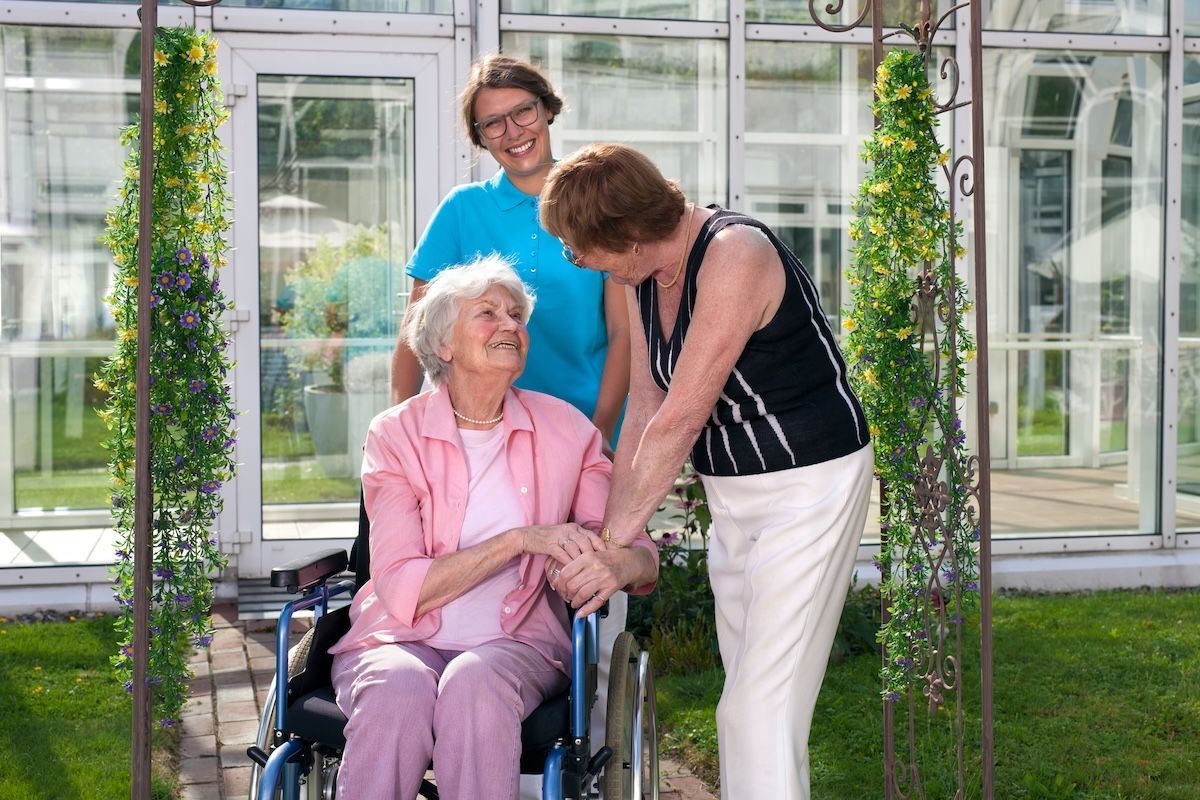
Choosing a nursing home for yourself or a loved one is an important decision. Families want to know that the person they care about will receive compassionate attention, quality medical care, and a safe, comfortable place to live. Taking time to tour facilities, ask questions, and research your options can make the process much easier. Whether you are looking for short-term rehabilitation, skilled nursing, or long-term care, it is important to look beyond a facility's appearance and consider the quality of care, staffing, safety, activities, and overall environment. Pay Attention to Red Flags During a Tour A nursing home tour can tell you a great deal about the environment. Look beyond the appearance of the lobby and pay attention to what is happening throughout the facility. Unusual odors, poor cleanliness, overflowing trash, or residents who appear unattended may be warning signs. You should also observe how staff members interact with residents. Do they appear patient and respectful, or rushed and stressed? Ask about staff turnover, too. A nursing home with frequent employee turnover may have difficulty providing consistency of care. While every skilled nursing facility experiences staffing changes, administrators should be willing to explain how they recruit, train, and retain employees. Understand Staff-to-Resident Ratios Adequate staffing is essential to both daily care and resident safety. Staff members need enough time to assist residents with meals, bathing, medications, mobility, personal care, and other needs. Don't be afraid to ask specific questions. How many nurses and nursing assistants are typically working during the day? What about overnight? How is staffing handled on weekends and holidays? Does the facility use temporary or agency staff? There is no single staffing number that guarantees excellent care, but understanding how a nursing home approaches staffing can help you determine whether it is equipped to meet residents' needs. Evaluate Safety and Cleanliness During your tour, look for practical safety features. Handrails in hallways and bathrooms, adequate lighting, non-slip flooring, accessible call buttons, and clear walkways can all help reduce the risk of falls. Ask about infection control and sanitation procedures as well. Find out how frequently common areas are cleaned and how the facility responds when residents develop contagious illnesses. Good housekeeping and consistent infection-control practices are particularly important in a skilled nursing environment. Review State Inspection Reports Don't rely solely on a tour or brochure. Public inspection records can provide valuable information about a nursing home's history. Families can review state and federal records to learn about past inspections, deficiencies, and citations. When you find violations, look at the details. Was the issue minor or more serious? Was it an isolated incident, or does the facility have a pattern of similar problems? Most importantly, determine whether the nursing home corrected the issue. A history of citations does not automatically mean a facility provides poor care. What matters is understanding the nature of the problems and how the facility responded. Know Your Loved One's Rights Residents of nursing homes have important legal protections. The federal Nursing Home Reform Act establishes standards intended to protect residents' health, safety, and quality of life. Residents have rights involving privacy, dignity, communication, personal choices, and participation in decisions about their care. They should be treated respectfully and have a voice in matters affecting their daily lives. Understanding these rights can help families recognize what they should expect from a nursing home and give them confidence to ask questions or raise concerns when necessary. Look at Food and Activities Food and activities are important parts of quality of life. Ask whether you can sample a meal or review menus. Find out how the facility accommodates special dietary needs, allergies, and personal preferences. Then look at the activity calendar. Are there regular opportunities for exercise, games, entertainment, socializing, hobbies, and other activities? A good nursing home should support residents' social and emotional well-being as well as their medical needs. Understand Costs and Insurance Before making a decision, ask for a detailed explanation of costs. Medicare, Medicaid, and private-pay arrangements have different rules, and coverage can depend on the type and duration of care. Request a written breakdown of what is included in the monthly rate and ask about additional charges. Transportation, specialized services, supplies, therapies, or other items may involve additional costs. Understanding the financial agreement in advance can prevent unpleasant surprises later. It is also important to understand how payment may change if a resident's financial circumstances or care needs change. Ask questions before signing an admission agreement, and request clarification about anything you do not understand. Helping a Loved One Adjust Moving into a nursing home can be emotionally difficult. Give your loved one time to adjust to a new environment and routine. Bring familiar photographs, clothing, decorations, or other personal items that can make the room feel more like home. Family involvement remains important after the move. Visit regularly, participate in activities when appropriate, stay in communication with staff, and continue to involve your loved one in family decisions and events. Remember that adjustment takes time. Maintaining familiar routines and regular family connections can help make the transition feel less overwhelming. Take Your Time When Choosing a Nursing Home Finding the right skilled nursing facility takes research, but your efforts can make a meaningful difference. Tour more than one nursing home when possible, ask detailed questions, review inspection records, understand the costs, and pay attention to how residents and staff interact. Most importantly, choose a nursing home where you feel your loved one will be treated with dignity, respect, and compassion. Asking the right questions before making a decision can help your family feel more confident about the next step.

The body content of your post goes here. To edit this text, click on it and delete this default text and start typing your own or paste your own from a different source.

Summer is one of the most enjoyable times of year to spend quality time with the people you love. For families with senior loved ones, the warmer months open up a wonderful range of activities that are fun, meaningful, and perfectly suited to older adults. Whether your loved one is highly active or prefers a more relaxed pace, there's something on this list for everyone. Here are ten cool summer activities from Elba Rehabilitation and Wellness, located in Elba, Alabama, to enjoy together this season. 1. Visit a Farmers Market Farmers markets are a feast for the senses and a wonderful outing for seniors. The sights, smells, and sounds of fresh produce, local vendors, and community energy make for a stimulating and enjoyable morning. Many markets are held in the early hours when temperatures are cooler, making them ideal for older adults who are sensitive to heat. Pick up some fresh fruit together and make it a tradition. 2. Host an Outdoor Movie Night Set up a projector or a large screen in the backyard and enjoy a classic film under the stars. Choose a movie your loved one grew up with — a favorite from the 1950s, 60s, or 70s — and pair it with popcorn and lemonade. This low-key activity creates a magical atmosphere without requiring any physical exertion. 3. Take a Scenic Drive Sometimes the simplest activities are the most meaningful. A leisurely drive through a scenic route — along the waterfront, through rolling countryside, or past familiar old neighborhoods — can be deeply enjoyable for seniors, particularly those who may have limited mobility. Roll the windows down, play their favorite music, and let the conversation flow naturally. 4. Go Birdwatching Birdwatching is a wonderfully calming summer activity that can be done in a park, a botanical garden, or even a backyard. Pick up a simple field guide and a pair of binoculars and spend an hour or two identifying local species together. It's engaging, peaceful, and surprisingly exciting when you spot something new. 5. Visit a Local Museum or Art Gallery Most museums and galleries are air-conditioned, making them a perfect summer escape. Many offer senior discounts and some host special programs specifically designed for older adults. Walking through an exhibit together naturally sparks conversation, storytelling, and shared discovery. 6. Plant a Small Container Garden Gardening has well-documented benefits for seniors, including reduced stress, improved mood, and a sense of purpose. If a full garden isn't practical, start small with a few container pots on a porch or patio. Plant herbs, tomatoes, or summer flowers and tend to them together throughout the season. Watching something grow is deeply satisfying at any age. 7. Enjoy a Picnic in the Park Pack a simple lunch and head to a shady spot in a local park. A picnic requires no reservation, no dress code, and no rush. Bring a comfortable chair or blanket, some favorite foods, and good company. Early morning or late afternoon are the best times to avoid peak summer heat. 8. Take a Gentle Water Aerobics Class Together Many community pools and recreation centers offer water aerobics classes specifically designed for seniors. The water keeps participants cool while providing low-impact resistance that is gentle on joints. Joining a class together makes it a social event and gives your loved one something to look forward to each week. 9. Create a Memory Scrapbook On those particularly hot days when staying indoors is the wisest choice, sit down together and create a memory scrapbook. Gather old photographs, postcards, ticket stubs, and mementos and spend the afternoon reminiscing and organizing them into a beautiful keepsake. The stories that surface during this activity are priceless. 10. Attend an Outdoor Concert or Community Event Many communities host free or low-cost outdoor concerts, festivals, and events throughout the summer months. Check your local events calendar for performances in parks or community spaces. Live music in particular has a remarkable effect on seniors, often evoking powerful memories and genuine joy. Spend This Summer Making Memories Summer is a season made for connection, and these activities are a wonderful way to strengthen your bond with your senior loved one while creating memories that will last long after the warm weather fades. If you're looking for a caring, engaging environment for your loved one year-round, Elba Rehabilitation and Wellness in Elba, Alabama is here to help. At Elba Rehabilitation and Wellness, we bring skilled nursing, therapy, and rehabilitation together with the warmth and comfort of true Southern hospitality. To learn more about our community and the enriching activities we offer every season, call us today at 334.897.2257. We'd love to welcome your family.

Every June, millions of people around the world wear purple in support of those living with Alzheimer's disease and other forms of dementia. Alzheimer's & Brain Awareness Month is a time to raise visibility, reduce stigma, and remind families that they are not alone in one of the most emotionally demanding journeys a person can face. At Elba Rehabilitation and Wellness in Elba, Alabama, we recognize this month not just as an awareness campaign but as a call to action — to educate, support, and walk alongside every family touched by this disease. Understanding the Scale of the Problem Alzheimer's disease is the most common form of dementia, accounting for 60 to 80 percent of all cases. According to the Alzheimer's Association, more than 7 million Americans are currently living with Alzheimer's — a number projected to rise to nearly 13 million by 2050 as the population ages. It is the fifth leading cause of death among adults 65 and older, and unlike many other serious diseases, it has no cure and no way to slow its progression in most patients — though that landscape is beginning to change in meaningful ways. Medical Advances Offering New Hope The past several years have brought genuinely encouraging developments in Alzheimer's research that represent the most significant scientific progress in decades. The FDA's approval of lecanemab (marketed as Leqembi) and donanemab marked a watershed moment in Alzheimer's treatment. These are the first drugs in history to demonstrate the ability to meaningfully slow cognitive decline in early-stage Alzheimer's by targeting and clearing amyloid plaques — the protein deposits in the brain long associated with the disease. While these treatments are not a cure and are currently indicated only for early-stage patients, they represent a fundamental shift from managing symptoms to addressing an underlying biological mechanism of the disease. Advances in early detection are equally promising. Blood-based biomarker tests can now identify Alzheimer's-related changes in the brain years before symptoms appear, giving patients and families a longer window for planning, intervention, and potential enrollment in clinical trials. PET imaging and cerebrospinal fluid analysis have also become more refined, enabling earlier and more accurate diagnosis than was possible even five years ago. Researchers are also exploring the role of lifestyle interventions — cardiovascular exercise, cognitive engagement, sleep quality, and diet — in reducing dementia risk and slowing progression. The FINGER trial and similar studies have demonstrated that multidomain lifestyle interventions can meaningfully protect cognitive function in at-risk populations, reinforcing the importance of whole-person care in any memory care approach. The Challenges Families Face Behind every clinical statistic is a family navigating an experience that is as emotionally exhausting as it is practically demanding. Dementia caregiving is unlike almost any other form of caregiving because the person you are caring for gradually becomes someone different from the person you have always known — and that loss happens in slow motion, over years, while they are still present. Family caregivers of people with dementia report significantly higher rates of depression, anxiety, and physical health decline than non-caregivers. The demands are relentless — managing medications, supervising safety, responding to behavioral changes, handling legal and financial affairs, and navigating an often confusing healthcare system, frequently while grieving a relationship that is changing in real time. The decision to transition a loved one to professional memory care is one of the most difficult a family will ever make. It is almost always accompanied by guilt, grief, and uncertainty — even when it is clearly the right and most loving choice. Families need to hear clearly and often that seeking professional care is not abandonment. It is recognition that your loved one deserves around-the-clock specialized support that no individual family, no matter how devoted, can provide alone. How Elba Rehabilitation and Wellness Supports Families Every Step of the Way Located in Elba, Alabama, we understand that choosing the right care community is an important and personal decision — and our compassionate team is here to support you every step of the way. Whether you’re seeking short-term rehabilitation, long-term skilled nursing care, outpatient therapy, or specialized clinical programs, we provide personalized support in a warm, welcoming, and family-like environment. We invite you to visit for a tour — come see our community and meet the people who make Elba feel like home. Our team understands that caring for a loved one with dementia means caring for the entire family — not just the resident. From your first conversation with our team to the ongoing support we provide after your loved one is in our care, we are here to answer questions, ease concerns, and ensure that both your loved one and your family feel seen, supported, and never alone in this journey. If you are caring for a loved one with Alzheimer's or another form of dementia and are wondering whether it may be time to explore professional memory care options, we invite you to reach out. A conversation costs nothing and can mean everything. Call Elba Rehabilitation and Wellness today at 334.897.2257 to speak with a member of our care team, schedule a tour of our memory care community, or simply ask the questions that have been on your mind. In honor of Alzheimer's & Brain Awareness Month — and every month — we are here for your family. The Alzheimer's Association's 24/7 helpline is available at 1-800-272-3900 for families seeking immediate support, resources, or guidance at any stage of the dementia journey.
Each year in May, healthcare organizations across the country recognize National Nurses Week, a time dedicated to honoring the compassion, commitment, and professionalism of nurses everywhere. At Elba Rehabilitation and Wellness in Elba, Alabama, National Nurses Week is especially meaningful because it gives us the opportunity to recognize the extraordinary nurses who care for our residents every single day. Nursing is far more than a profession. It is a calling that requires patience, empathy, skill, and unwavering dedication. Nurses are often the first people residents see in the morning and the last people to check on them at night. They provide comfort during difficult moments, celebrate milestones and progress, and create meaningful connections with residents and families alike. At Elba Rehabilitation and Wellness, our nurses play an essential role in creating a warm, supportive, and healing environment for every resident in our care. Their work extends well beyond administering medications or monitoring vital signs. They listen, encourage, advocate, and support residents physically, emotionally, and mentally. Whether helping someone recover after surgery, assisting with rehabilitation goals, or simply offering reassurance and companionship, our nursing team consistently goes above and beyond. National Nurses Week is the perfect time to highlight the incredible impact nurses have on the lives of our residents and their loved ones. Many families entrust our team with the care of someone they deeply love, and our nurses understand the importance of that trust. They approach each resident with dignity, respect, and compassion, helping families feel confident and supported throughout every stage of care. The dedication shown by nurses in skilled nursing and rehabilitation settings is truly remarkable. Every day presents new challenges and opportunities to make a positive difference. From coordinating care plans and communicating with physicians to responding quickly to changing medical needs, nurses are central to maintaining the health, safety, and comfort of residents. Their ability to combine clinical expertise with genuine compassion is what makes exceptional nursing care possible. At Elba Rehabilitation and Wellness, we are proud of the strong relationships our nurses build with residents over time. Those connections often become deeply meaningful and help create a true sense of community within our facility. A familiar smile, a comforting conversation, or a thoughtful gesture can make a tremendous difference in a resident’s day, and our nurses provide those moments regularly. National Nurses Week also serves as an important reminder of the hard work and resilience healthcare professionals demonstrate year-round. Nursing requires long hours, emotional strength, and constant attention to detail, yet our team continues to show up every day with professionalism and heart. Their dedication does not go unnoticed. Residents, families, and staff members all benefit from the exceptional care and commitment our nurses provide. In addition to delivering outstanding medical care, our nursing staff helps foster independence, confidence, and quality of life for residents. They encourage participation in therapy and activities, provide education and support, and help residents maintain as much comfort and mobility as possible. Their efforts contribute greatly to the welcoming and compassionate atmosphere that families experience when they walk through our doors. During National Nurses Week, we encourage everyone to take a moment to thank the nurses who make such a difference in the lives of others. A simple expression of gratitude can mean so much to those who dedicate themselves to caring for others day after day. At Elba Rehabilitation and Wellness we are incredibly grateful for our nursing team and the professionalism, kindness, and humanity they bring to our community. As we celebrate National Nurses Week this month, we proudly recognize the nurses at Elba Rehabilitation and Wellness for their tireless efforts, compassion, and commitment to excellence. Their work touches countless lives and helps ensure residents receive the highest level of care possible. We are honored to have such an exceptional team serving our residents and families in Elba, Alabama. At Elba Rehabilitation and Wellness, we bring skilled nursing, therapy, and rehabilitation together with the warmth and comfort of true Southern hospitality. To learn more about us or speak with a member of our team, please contact us at 334.897.2257

Choosing the right skilled nursing facility for yourself or a loved one is one of the most important healthcare decisions you can make. The right environment can significantly improve quality of life, promote recovery, and provide peace of mind for families. At Elba Rehabilitation and Wellness, located in Elba, Alabama, families find compassionate care, professional expertise, and a commitment to resident well-being. Here are ten essential factors to consider when evaluating a skilled nursing facility: 1. Quality of Medical Care A top priority should always be the level of medical care provided. Look for facilities that offer 24/7 nursing supervision, access to licensed physicians, and individualized care plans. Skilled nursing facilities should be equipped to handle complex medical needs, including post-surgical recovery, chronic illness management, and rehabilitation therapies. 2. Staff Credentials and Experience The quality of care is only as good as the people providing it. Ask about staff qualifications, including registered nurses, licensed practical nurses, and certified nursing assistants. A well-trained and experienced team ensures residents receive attentive, knowledgeable care every day. 3. Staff-to-Resident Ratio Adequate staffing levels are crucial for timely care and personalized attention. Facilities with higher staff-to-resident ratios are generally better equipped to respond quickly to residents’ needs, reducing the risk of neglect and improving overall satisfaction. 4. Cleanliness and Safety Standards A clean, well-maintained environment is a strong indicator of a facility’s overall quality. During your visit, observe common areas, resident rooms, and dining spaces. Safety features such as handrails, emergency call systems, and secure entrances are also essential. 5. Rehabilitation Services Many residents require physical, occupational, or speech therapy. A strong skilled nursing facility will offer comprehensive rehabilitation services on-site, with licensed therapists who create personalized recovery plans to help residents regain independence. 6. Personalized Care Plans Each resident has unique needs, preferences, and health conditions. Look for a facility that develops customized care plans and regularly updates them based on progress and changing needs. At Stillwater Care Skilled Nursing & Assisted Living, individualized care is a cornerstone of their approach. 7. Activities and Social Engagement A vibrant social environment contributes greatly to emotional and mental well-being. Ask about daily activities, recreational programs, and opportunities for residents to engage with others. From group exercises to arts and crafts, meaningful activities can enhance quality of life. 8. Dining and Nutrition Proper nutrition plays a vital role in health and recovery. Evaluate the quality of meals, menu variety, and the facility’s ability to accommodate dietary restrictions. A good facility will prioritize both nutrition and enjoyment in their dining experience. 9. Family Communication and Involvement Open communication between staff and families is essential. Choose a facility that keeps families informed about their loved one’s condition and encourages involvement in care decisions. Transparency builds trust and ensures everyone is aligned in supporting the resident. 10. Reputation and Reviews Finally, take time to research the facility’s reputation. Read online reviews, ask for references, and check ratings from healthcare organizations. Word-of-mouth feedback and firsthand experiences can provide valuable insight into what you can expect. Located in Elba, Alabama, we understand that choosing the right care community is an important and personal decision — and our compassionate team is here to support you every step of the way. Whether you’re seeking short-term rehabilitation, long-term skilled nursing care, respiratory support, memory care, or specialized clinical programs, we offer personalized care in a warm, welcoming, and family-like environment. We invite you to visit for a tour — come see our community and meet the people who make Elba feel like home. Call us at (334) 897-2257.

Proper nutrition plays a vital role in maintaining health, independence, and quality of life as we age. For families with aging loved ones, understanding the importance of a balanced diet can make a meaningful difference in overall well-being. At Elba Rehabilitation and Wellness, located in Elba, Alabama, ensuring residents receive the right nutrients is not just about meals—it’s about supporting strength, cognitive function, and long-term health. Recognizing how nutrition impacts your senior parent can help you make informed decisions about their care and daily routine. As the body ages, nutritional needs change. Seniors often require fewer calories but more essential nutrients such as protein, fiber, vitamins, and minerals. A diet rich in lean proteins, whole grains, fruits, and vegetables helps maintain muscle mass, supports immune function, and promotes healthy digestion. Without proper nutrition, seniors may experience fatigue, weakened immunity, and an increased risk of illness or hospitalization. That’s why nursing homes place a strong emphasis on carefully planned meals that meet these evolving dietary needs. One of the most significant concerns related to nutrition in older adults is the risk of malnutrition. This can occur for a variety of reasons, including reduced appetite, difficulty chewing or swallowing, medication side effects, or underlying health conditions. Malnutrition can lead to unintended weight loss, muscle weakness, and slower recovery from illness or injury. In a nursing home setting, trained staff monitor residents closely to ensure they are eating well and receiving the nutrients their bodies need to stay strong and resilient. Nutrition also plays a key role in managing chronic conditions that are common among seniors. Conditions such as diabetes, heart disease, and high blood pressure can often be better controlled through proper dietary choices. For example, limiting sodium intake can help manage blood pressure, while balanced carbohydrate consumption supports blood sugar control. Nursing homes often provide specialized meal plans tailored to individual health conditions, helping residents maintain stability and avoid complications. Cognitive health is another area where nutrition has a powerful impact. Diets rich in antioxidants, healthy fats, and essential vitamins have been linked to better brain function and a reduced risk of cognitive decline. Foods such as leafy greens, berries, fish, and nuts can support memory and mental clarity. For seniors experiencing memory challenges, consistent and nutritious meals can help maintain energy levels and support overall cognitive wellness. Hydration is equally important but often overlooked. Seniors may not feel thirst as strongly as they once did, increasing the risk of dehydration. Proper fluid intake supports digestion, circulation, and temperature regulation, and helps prevent issues such as urinary tract infections and confusion. Nursing homes prioritize hydration by offering fluids regularly throughout the day and encouraging residents to drink even when they don’t feel thirsty. Beyond physical health, nutrition also contributes to emotional well-being. Mealtimes provide an opportunity for social interaction, which can reduce feelings of isolation and improve mood. Enjoyable, well-prepared meals can bring comfort and a sense of routine, both of which are especially important for seniors adjusting to a new living environment. Nursing homes often create welcoming dining experiences that encourage residents to engage with others and look forward to mealtime. Family involvement is an important part of supporting a senior parent’s nutritional health. Asking questions about meal plans, dietary accommodations, and how the facility monitors nutrition can provide peace of mind. It’s also helpful to communicate any preferences, allergies, or cultural considerations so meals can be tailored to your loved one’s tastes and needs. When families and care teams work together, it creates a stronger support system for the resident. In conclusion, proper nutrition is a cornerstone of healthy aging. It supports physical strength, cognitive function, chronic disease management, and emotional well-being. In a nursing home setting, a thoughtful and personalized approach to nutrition ensures that residents receive the care and nourishment they need to thrive. By understanding the importance of nutrition and staying involved in your senior parent’s care, you can help ensure they enjoy a healthier, more comfortable, and fulfilling life.

Aging is a natural part of life and as individuals grow older, they may experience mobility issues, chronic health conditions, memory decline, or social isolation.